
English
Views: 0 Author: Site Editor Publish Time: 2026-10-04 Origin: Site


Did you just bring home a vibrant new indoor plant? Picture placing that lush greenery in your living room, only to watch the leaves turn yellow and drop within a few weeks. It is a frustrating scenario countless indoor gardeners face. Surprisingly, many houseplants fail not from a lack of care, but simply due to incorrect container sizing. Improper dimensions disrupt the internal moisture balance. This leads directly to fatal root rot or severe dehydration.
In this engineering-focused guide, we break down exactly how to find the perfect fit for your botanical companions. We will walk you through the nuances of volume sizing, polymer material selection, and structural styling to ensure your indoor jungle thrives.
Volume Matters: Botanical guidelines suggest increasing your container diameter by just 1 to 2 inches for small plants. Larger floor specimens require a 2 to 4-inch increase to maintain a healthy root-to-soil ratio.
Polymer Benefits: Non-porous materials like high-density polyethylene retain moisture much more efficiently than traditional unglazed terracotta. This specific trait makes them highly suitable for tropical indoor houseplants demanding consistent humidity.
Aesthetic Upgrades: Modern injection molding techniques allow polymer-based vessels to offer the sophisticated visual appeal of heavy ceramics. You get the premium look without the associated back-breaking weight or fragility.
Smart Irrigation: Utilizing sub-irrigation systems introduces capillary action to your routine. This provides consistent moisture delivery while virtually eliminating the risk of human watering errors.
UV Versatility: Robust synthetic containers are treated with UV stabilizers. They easily transition from the patio to the living room as durable, fade-resistant statement pieces.
Recent horticultural market analyses reveal a significant shift in consumer behavior regarding indoor plant care. Urban gardeners living in compact apartments are increasingly favoring functional, space-efficient polymer vessels over traditional ceramics. Data shows a rising demand for medium-sized containers equipped with smart sub-irrigation features. Consumers now prioritize lightweight durability, structural integrity, and superior moisture retention. This industry shift highlights a growing public awareness of plant biology. Modern growers demand practical, everyday maintenance solutions that maximize soil volume without expanding the physical footprint in tight living spaces.
Selecting the appropriate receptacle size is never merely an aesthetic choice. It is a fundamental biological requirement. The internal volume directly dictates soil moisture dynamics, oxygen availability, and long-term root system development.
Placing a botanical specimen in a vessel significantly larger than its current root mass creates a severe moisture imbalance. Picture a tiny sponge sitting in a massive bucket of water. A large volume of potting mix holds a correspondingly massive volume of water. Because the relatively small root system cannot absorb this moisture quickly, the excess soil remains saturated for weeks.
Furthermore, this prolonged saturation eliminates vital oxygen pockets within the soil structure. It creates a highly anaerobic environment. Without oxygen, roots literally begin to suffocate and decay. This triggers root rot, which remains the undisputed leading cause of indoor plant mortality. Consequently, this excess wet soil becomes a breeding ground for fungus gnats and harmful bacterial blooms.
In contrast, housing a plant in an undersized container leads to a stressful condition known as becoming root-bound. The roots circle the bottom and sides relentlessly. They densely pack the available space and physically push the potting medium out.
Without adequate soil volume to act as a sponge, the container loses its ability to retain water and essential nutrients. You will notice that during watering, the liquid runs straight down the sides and out the drainage holes immediately. The core root ball remains entirely bone-dry. This hydrophobic condition starves the foliage, resulting in stunted growth, crispy edges, and eventual decline due to chronic dehydration.
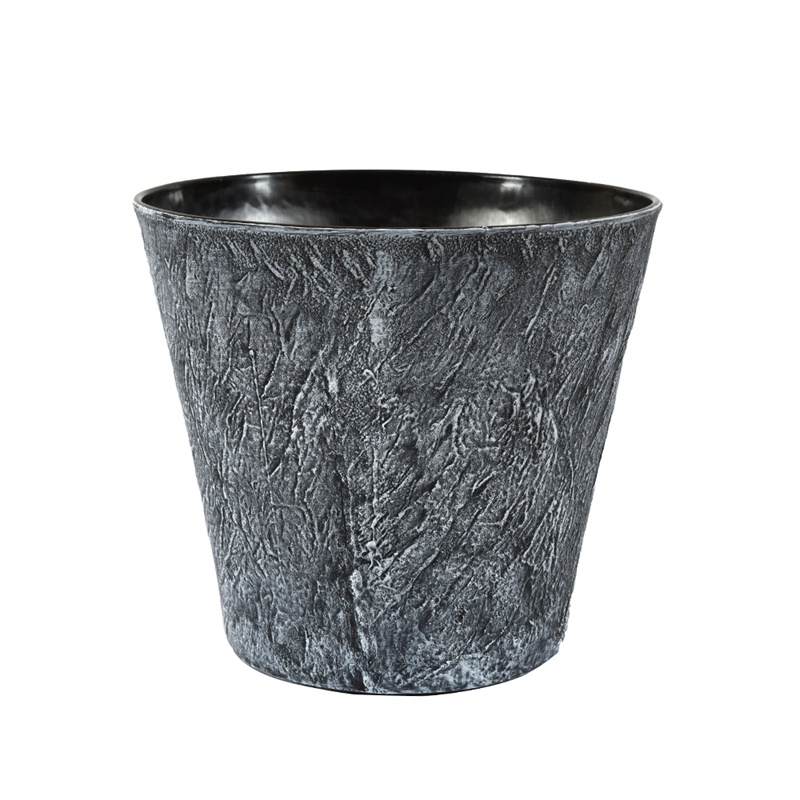
Horticulturists rely on standardized sizing rules to prevent physiological stress. Upgrading your containers incrementally ensures the plant has enough room to stretch its roots. Most importantly, it prevents the root zone from being overwhelmed by a swamp of excess moisture.
In the horticultural manufacturing industry, flower pots are standardized by their top diameter. A 6-inch pot measures exactly 6 inches straight across the top rim. When shopping, you must measure the inside diameter rather than the outside edge. This is especially true if the container features a thick decorative lip. This internal measurement determines the actual living space available for the root system.
For small to medium indoor foliage currently residing in pots measuring 10 inches or less, the standard protocol is highly conservative. You should increase the size by only 1 to 2 inches. If your trailing Pothos has outgrown its 4-inch nursery pot, carefully transfer it to a 5-inch or 6-inch container. This slight increase provides a fresh buffer of soil and nutrients. It ensures the plant can quickly extend its roots into the new territory, rapidly absorbing moisture and mitigating overwatering risks.
Larger indoor specimens possess highly robust root systems that demand more substantial upgrades. Ficus Audrey trees, massive Monsteras, and towering Birds of Paradise fall into this category. For greenery currently in vessels larger than 10 inches, you can safely increase the diameter by 2 to 4 inches.
When tackling these heavy biomass specimens, transitioning to a classic round plastic floor planter is highly recommended. These specific containers are engineered to provide the deep soil reservoir that large taproots require. Simultaneously, their structural design maintains a wide, stable base. This prevents top-heavy trees from tipping over onto your living room floor.
Understanding which plants correspond to specific container dimensions streamlines your repotting process. It saves you from costly trial and error.
Diameter Range | Estimated Volume | Ideal Botanical Types | Recommended Material Specs |
|---|---|---|---|
2 to 4 Inches | 0.5 to 1 Pint | Succulents, Seedlings, Propagation Cuttings | Rigid PP with maximum drainage |
6 to 8 Inches | 0.5 to 1 Gallon | Pothos, Calatheas, Peace Lilies, Ferns | Moisture-retaining synthetic polymers |
10 to 14+ Inches | 2 to 5 Gallons | Monsteras, Ficus Trees, Parlor Palms | Heavy-duty HDPE for structural stability |
Traditional materials like terracotta and glazed clay hold historical significance. However, modern polymer compositions offer distinct, measurable advantages for the everyday indoor horticulturist.
The primary biological difference between porous clay and non-porous synthetic materials lies in moisture transmission rates. Terracotta actively wicks moisture away from the soil. It evaporates water directly through the walls of the pot. This is excellent for desert-dwelling cacti. Conversely, it creates a volatile, overly dry environment for tropical houseplants that crave consistent hydration.
Synthetic polymers create an impermeable barrier. They trap moisture entirely within the soil column. Water loss occurs only through top-surface evaporation and the plant's natural transpiration. This creates a highly stable, humid root zone. For species native to rainforest floors, this moisture retention is critical for preventing cellular dehydration.
Indoor gardening frequently requires lifting and moving plants. You might carry them to the kitchen sink for a deep flush or rotate them for even sunlight exposure. The physical weight of a large ceramic pot filled with wet soil easily exceeds 50 pounds. This presents a significant ergonomic challenge.
Specifically, utilizing a lightweight plastic planter drastically reduces the base weight of the container. High-density polyethylene and polypropylene are engineered to offer immense tensile strength without the extreme density of clay. This makes routine plant maintenance safer and far more manageable. Furthermore, shatter-resistant polymers eliminate the risk of catastrophic breakage if a pet accidentally knocks the stand over.
Historically, plant owners faced a tough compromise. They had to choose between the practical benefits of synthetics or the premium aesthetic appeal of heavy decorative ceramics. Today, advanced manufacturing techniques have completely eliminated this dilemma.
Modern painted vessels bridge the gap between polymer science and high-end interior design. Through advanced injection molding and specialized surface treatments, these containers seamlessly mimic the visual texture of matte concrete, speckled stone, or high-gloss artisanal pottery.
Manufacturers utilize non-toxic polyurethane and acrylic finishes to offer highly specific color palettes. Whether your home features muted Nordic pastels or deep modern matte blacks, there is a finish that aligns with your decor. The non-porous nature of the painted surface also prevents unsightly mineral efflorescence, which frequently discolors traditional clay over time.
Placing exterior-grade containers inside your home is a highly effective strategy for areas receiving intense, direct sunlight. An outdoor painted plastic flower pot is specifically manufactured with UV-resistant stabilizers mixed directly into the polymer and the paint coating.
Standard untreated plastics can eventually become brittle and fade when placed near south-facing windows or under intense LED grow lights. Utilizing an outdoor-rated container indoors ensures the vessel maintains its structural integrity and vibrant finish for decades. It acts as a permanent, fade-resistant fixture in your interior styling.
Watering inconsistencies cause massive physiological stress to indoor greenery. Bouncing between severe drought and swamp-like over-saturation destroys delicate root hairs. Thankfully, horticultural technology provides a highly efficient mechanical solution to mitigate human error.
Premium automatic irrigation pots utilize the scientific principle of capillary action. These advanced systems typically consist of a dual-layer design. They feature an outer reservoir holding standing water and an inner liner housing the potting mix.
A wicking mechanism, usually an absorbent cotton rope or a specialized soil channel, connects the water reservoir to the root zone. As the plant absorbs water and the upper soil dries out, capillary tension automatically draws water up from the reservoir against gravity. It replaces exactly the amount of moisture lost. This sub-irrigation method ensures the soil remains consistently damp, never waterlogged, and never entirely dry.
While this technology is a lifesaver for busy individuals, it is not universally applicable to all botanical species. It is specifically tailored for moisture-loving plants that exhibit rapid decline if their roots dry out completely. Calatheas, African Violets, Alocasias, and Peace Lilies thrive in these setups. In contrast, cacti and ZZ plants require their soil to dry completely. The constant moisture provided by sub-irrigation will inevitably lead to root rot in arid-climate species.
Knowing how to choose the right container is only half the equation. Knowing exactly when to make the transition is equally vital for long-term plant health. Premature repotting leads to moisture issues, while delayed repotting stunts growth.
Your plants physically communicate their need for a larger environment through observable indicators. Next time you water, inspect your greenery for these signs.
First, look for escaping roots. Gently lift the nursery pot. If thick white roots protrude significantly through the bottom drainage holes, the root system has exhausted the available space. Second, monitor soil displacement. As root mass increases, it physically pushes the soil upwards. If the plant appears to be lifting out of the container, it is severely root-bound. Finally, test the water dynamics. If liquid immediately rushes out the bottom without absorbing, the soil structure has degraded. The roots have likely replaced the soil entirely.
Even if a plant shows signs of needing an upgrade, timing dictates success. The optimal window to transfer your greenery into a new vessel is during the active growing seasons of Spring and early Summer. During this period, the plant's metabolism peaks. This allows it to quickly recover from transplant shock and rapidly establish new root hairs in the expanded soil volume. Repotting in late autumn or winter greatly increases the risk of rot.
Finding the correct volume requires a careful, observant balance. A receptacle that is too large holds excess moisture and invites disease. One that is too small restricts vital root development and starves the plant.
Modern polymer containers offer an exceptional, evidence-based gardening solution. They provide unparalleled durability, retain essential soil moisture for tropicals, and are light enough to move with ease. Always ensure your chosen container features proper drainage capabilities. By combining the right volume, advanced materials, and proper drainage, you can easily upgrade your indoor garden. To find the exact match for your specific botanical and interior design needs, explore the extensive catalog of premium, durable containers at www.chinaflowerpots.com.
Yes, absolutely. Regardless of the material, drainage is a non-negotiable requirement for indoor plant health. Without drainage holes, excess water pools at the bottom of the container. This creates an anaerobic environment that rapidly leads to root rot. If you purchase a decorative painted vessel lacking pre-drilled holes, you must use it as a cachepot. Plant your greenery in an inexpensive nursery pot with drainage, and place that functional pot inside the decorative one.
One of the primary engineering benefits of a polymer-based floor planter is its minimal base weight. Unlike dense ceramic or concrete planters, the synthetic container itself contributes very little to the overall load. The total weight is determined almost entirely by the volume of potting soil and the water it holds. Standard residential flooring is structurally designed to support the weight of even the largest indoor potted plants without any issue.
Yes, doing so is highly recommended for interior design durability. Outdoor-rated containers are manufactured with rigorous standards. They feature UV-resistant stabilizers and heavy-duty protective coatings to prevent fading and cracking. When placed in the controlled environment of a living room, these pots exhibit exceptional durability and maintain their aesthetic finish for years. Simply place a waterproof saucer beneath the pot to protect your floors.
Generally, no. The biological structure of succulents and cacti is specifically adapted to arid environments. They require their soil to dry out completely between watering cycles. Sub-irrigation systems are engineered to provide a constant, steady supply of moisture via capillary action. Placing a succulent in this type of system keeps its root zone perpetually damp, which guarantees the onset of fungal infections and rapid root rot.
For most standard indoor houseplants, the depth of the pot should roughly equal its diameter. This standard proportion supports typical fibrous root systems. However, plants with deep taproots, such as certain palms or citrus trees, require specialized "tall" or "cylinder" profile planters. These deeper vessels accommodate vertical root growth without requiring an excessively wide diameter that would hold too much horizontal moisture.
No, the material itself does not cause root rot; overwatering and lack of drainage do. Because synthetic polymers are non-porous, they retain moisture much longer than breathable clay. This is highly beneficial for tropical plants, but it means the human caretaker must adjust their watering schedule. You simply need to water less frequently than you would with terracotta. Always verify the container has unobstructed drainage holes to allow excess water to escape.


