
English
Views: 0 Author: Site Editor Publish Time: 2026-10-08 Origin: Site


Do heavy, cracked patio containers constantly frustrate your landscaping efforts? The transformative power of outdoor gardening is undeniable. Yet, the containers you select dictate the fundamental success of your backyard aesthetic and maintenance routine. Traditional materials like terracotta, stone, or concrete are notoriously cumbersome. They shatter during harsh weather and demand a significant financial investment. Consequently, outdoor spaces quickly feel cluttered or uninspired when restricted by these rigid materials.
Modern synthetic options solve these structural and logistical issues. High-quality polymer containers have evolved far beyond the flimsy nursery buckets of the past. Today, they serve as stunning architectural focal points engineered for longevity. In this comprehensive guide, we will explore highly practical, creative, and functional ways to utilize these versatile containers. By strategically integrating elements like a vibrant custom painted plastic flower pot, you can effortlessly maximize your outdoor living space, streamline garden maintenance, and achieve a high-end look on a reasonable budget.
Before diving into specific applications, it is crucial to understand the broader industry shift. Recent landscape architecture analysis highlights a massive transition toward polymer-based containers. As urban living spaces shrink and climate patterns become increasingly unpredictable, professional designers and home gardeners are abandoning rigid ceramics.
This growing trend is driven by a strict demand for sustainable, weather-resilient materials. Modern property owners want sophisticated aesthetics without the logistical nightmare of transporting massive concrete urns. Furthermore, the rise of rooftop and balcony gardening necessitates lightweight solutions that comply with strict structural load limits. Synthetic containers perfectly bridge the gap between high-end design and practical, everyday utility.
When evaluating outdoor landscaping investments, material science dictates both longevity and maintenance requirements. Let us look at this from an engineering perspective. The primary failure point for traditional outdoor containers is the freeze-thaw cycle. Porous materials absorb moisture directly from damp soil and seasonal rain. As temperatures plummet below freezing, this trapped water expands by approximately nine percent. This creates immense internal hydrostatic pressure, leading to micro-fractures and eventual shattering.
In stark contrast, injection-molded high-density polyethylene and polypropylene possess remarkable tensile flexibility. Rather than cracking under the pressure of expanding ice, the polymer walls simply flex. They return to their original shape once the ambient temperature rises. Premium synthetic containers are also manufactured with integrated UV inhibitors. This chemical addition significantly delays photodegradation, preventing the brittleness and color fading caused by relentless sunlight.
Feature | Premium Plastic / Polymer | Terracotta / Clay | Concrete / Stone |
|---|---|---|---|
Weight Profile | Ultra-lightweight, easy to relocate | Moderate to heavy | Extremely heavy, requires equipment |
Freeze-Thaw Resistance | Excellent, walls flex with ice expansion | Poor, highly prone to shattering | Moderate, can crack over time |
Moisture Retention | High, non-porous walls prevent evaporation | Low, wicks moisture away from roots | Moderate |
Commercial Value | High ROI, minimal shipping costs | Low ROI, high replacement rate | High initial cost, expensive logistics |
From a botanical perspective, effective water management is crucial for outdoor plants exposed to drying winds. Because synthetic materials are impermeable, they force excess water to exit exclusively through designated drainage channels. This effectively keeps the root zone consistently moist for longer periods. Consequently, you will drastically reduce the frequency of required irrigation during the hottest months of the year.
Imagine stepping onto your sun-drenched deck and being greeted by a burst of color that perfectly complements your outdoor furniture. Utilizing color strategically fundamentally alters the perceived temperature and mood of a patio. While standard terracotta offers a monotonous earthy hue, modern synthetic materials display virtually any color on the visual spectrum.
When establishing a striking focal point, a custom painted plastic flower pot serves as a highly effective design tool. Factory-painted containers undergo specialized chemical adhesion processes. Unlike standard retail spray paint that flakes off due to poor surface tension, factory-applied coatings bond to the polymer at a molecular level. This precise engineering ensures the vibrant finish resists chipping, peeling, and UV fading over multiple harsh seasons.
Understanding basic color theory ensures your outdoor space remains cohesive. Cool tones like blue and green recede visually, making cramped patios feel much larger. Warm tones like red and orange advance visually, drawing immediate attention near dining areas. Neutral palettes allow the intricate texture of the plant itself to remain the primary visual focus.
Urban agriculture demands strict spatial efficiency. For individuals cultivating culinary herbs on narrow apartment balconies, standard round pots create wasted negative space when grouped together. Rectangular containers eliminate this inefficiency entirely. They allow flush, seamless placement against fences, glass railings, and outdoor kitchen counters.
Investing in a high-quality garden flower pot featuring a rectangular profile provides an elongated, continuous planting trench. This shared volume of soil is highly beneficial for herb cultivation. It allows the gardener to plant multiple distinct species, such as basil, cilantro, and rosemary, in a single neatly organized row. Furthermore, the larger thermal mass of the shared soil prevents rapid temperature fluctuations, protecting delicate herb root systems from extreme heat stress.
Architectural framing is a foundational concept in professional landscape design. By placing identical, substantial elements symmetrically on either side of a threshold, you instantly create a psychological sense of order and elegance. This technique works perfectly for front doors, driveway entrances, or the beginning of a winding garden path.
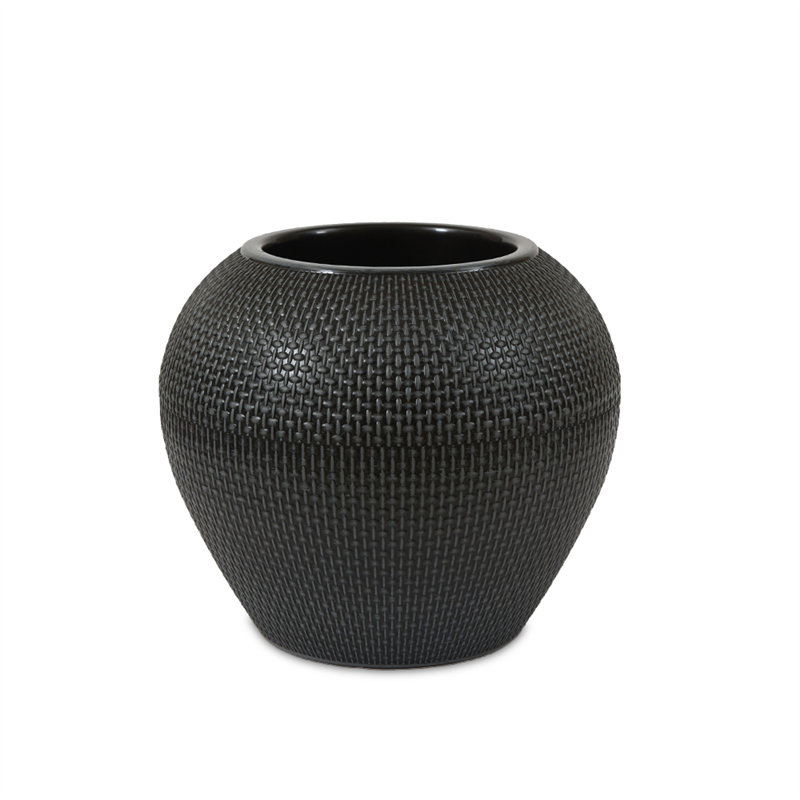
For this specific application, black round planters are incredibly effective. The deep black hue provides a stark, high-contrast background that makes vibrant green foliage appear much more vivid. Additionally, black acts as a visually heavy color. It grounds the space and delivers a modern, sophisticated aesthetic that instantly boosts curb appeal.
Beyond aesthetics, dark-colored synthetic pots possess unique thermal properties. Black surfaces naturally absorb more solar radiation. During the chilly early days of spring, this absorbed heat transfers directly to the potting medium. This process warms the root zone faster than the surrounding ground soil, actively accelerating the growth of early-season plantings.
When horizontal square footage is completely exhausted, optimizing vertical space becomes an absolute necessity. Vertical gardening involves mounting, hanging, or stacking containers on exterior walls or suspended rigging systems. Because gravity constantly amplifies the structural strain on mounting hardware, minimizing the baseline weight of the containers is a strict engineering requirement.
Heavy ceramics are largely disqualified from vertical applications due to the severe risk of hardware failure. Lightweight synthetic pots are the industry standard for these dynamic installations. They can be easily modified using standard household power drills to accept heavy-duty zip ties or custom mounting brackets without any risk of shattering. By utilizing lightweight plastic garden pots, you ensure the structural integrity of your trellis or wall mount remains uncompromised.
Water features introduce auditory relaxation to a garden and actively support local ecosystems. While dedicated stone fountains are prohibitively expensive and difficult to install, heavy-duty plastic containers can be easily repurposed into beautiful aquatic environments.
The inherent impermeability of polymer materials makes them the ideal candidate for holding standing water. Unlike wooden half-barrels that eventually rot, or galvanized metal tubs that oxidize, UV-stabilized plastic remains completely inert when submerged. To convert a standard planter into a water feature, simply seal the existing drainage holes using marine-grade silicone. Once cured, fill the container to house miniature water lilies or a soothing solar-powered fountain pump.
Choosing the right container requires more than just picking a color. To ensure long-term success, match the product specifications to your specific environmental challenges.
For High-Wind Balconies: Select containers with a wide, tapered base and a low center of gravity. Fill the bottom two inches with heavy river rock before adding soil to lower the tipping point.
For Deep-Rooted Shrubs: Opt for high-capacity models offering at least 15 to 20 gallons of soil volume. Look for reinforced, double-walled rims that prevent bowing under the weight of saturated soil.
For Intense Sun Exposure: Verify the product utilizes UV-stabilized polypropylene. Light-colored finishes, such as white or light gray, will reflect solar radiation and keep the root zone cooler during peak summer heat.
For Edible Gardens: Always ensure the container is manufactured from food-safe, BPA-free plastics. High-density polyethylene, known as recycling code 2, is the industry standard for safe food production.
Maintaining outdoor containers is a critical component of long-term landscaping success. While synthetic materials inherently resist rot and rust, they still require specific care protocols to maximize their functional lifespan.
Winter weather introduces the distinct risk of freeze-thaw damage. To prevent winter damage, rigorously verify that every pot possesses unobstructed drainage holes at its base. Elevating the pots slightly using dedicated pot feet ensures excess water can escape freely. This prevents ice accumulation from sealing the bottom of the container to your patio.
Routine cleaning preserves both the structural integrity and the external appearance. Dirt, algae, and mineral deposits from hard tap water can accumulate and dull the finish. For standard seasonal cleaning, a simple solution of mild, non-detergent dish soap and warm water applied with a microfiber cloth is highly effective. Abrasive scouring pads should be strictly avoided, as they easily scratch the surface and strip protective factory sealants.
Polymer-based planters offer incredible, unmatched versatility for any outdoor space. They effortlessly outlast traditional materials during harsh weather conditions, providing a resilient home for your favorite plants year after year. Whether framing your front doors elegantly with dark architectural spheres, or brightening up a shaded deck corner using a vibrantly hued container, the design possibilities are endless.
Modern synthetic pots perfectly blend superior functionality with high-end visual aesthetics. They deliver excellent durability without the premium price tag or logistical headaches of carved stone. Take the time to measure your outdoor spaces and evaluate your environmental conditions. When you are ready to plan your next exciting garden project, browse the high-quality, engineered plastic planters at China Flower Pots to completely upgrade your backyard oasis today.
High-quality, factory-painted plastic pots are specifically treated with UV-resistant coatings during the manufacturing process. This chemical treatment prevents the rapid fading and peeling commonly associated with intense sun exposure. If you decide to paint a container yourself, proper surface preparation is absolutely critical. Without specialized primers and UV-blocking sealants, DIY paint jobs will quickly degrade and flake.
Yes, high-density plastics are naturally flexible and handle freeze-thaw cycles significantly better than porous materials like ceramic, terracotta, or concrete. However, winter survival depends heavily on proper moisture management. You must ensure the pot has unobstructed drainage. Elevating them on pot feet or moving empty pots to a covered area during extreme cold snaps is the safest engineering practice.
Dark colors naturally absorb more solar radiation, which can raise the internal soil temperature. In early spring, this is highly beneficial for accelerating root growth. However, during peak summer heatwaves in high-temperature climates, this excess heat can stress delicate root systems. To mitigate this, ensure consistent watering, use a moisture-retaining potting mix, or position dark planters in areas that receive partial afternoon shade.
Most premium outdoor plastic planters feature pre-drilled drainage holes or punch-out grids at the base. If these are absent, or if you are planting species highly susceptible to root rot, you should absolutely drill additional holes using a standard power drill. To maintain clear drainage pathways, place a layer of coarse gravel at the bottom of the pot before adding your potting soil.
Absolutely, provided you strictly select the correct type of material. When sourcing containers for edible plants, look for products manufactured from food-safe, BPA-free plastics. High-density polyethylene and polypropylene are widely recognized by agricultural authorities as safe for food production. These highly stable plastics do not leach harmful chemicals into the soil, even when exposed to high summer temperatures.
Space optimization is a common logistical challenge for balcony and patio gardeners. Fortunately, many modern planters feature tapered, conical designs, allowing them to be nested or stacked securely when empty. Before stacking them, ensure the interiors are completely clean and dry to prevent dormant mold growth. Storing them in a shaded, dry location protects them from unnecessary environmental wear during the off-season.


