
English
Views: 0 Author: Site Editor Publish Time: 2026-10-01 Origin: Site


Are yellowing leaves and stunted growth ruining your indoor jungle? Many plant parents obsess over lighting and fertilizer. Yet, the hidden culprit is frequently poor root health. It lurks just beneath the soil surface. Choosing the right container material makes a monumental difference in overall plant vitality. In this guide, we explore exactly how synthetic materials support robust root systems. We will also see how modern manufacturing blends horticultural science with stunning home aesthetics.
Moisture Control: Polymer containers excel at retaining moisture, keeping root systems consistently hydrated without drying out too rapidly.
Temperature Stability: High-quality synthetic material acts as a thermal insulator, protecting sensitive biological structures from extreme temperature fluctuations.
Structural Benefits: Specialized interior designs physically guide root growth downward, preventing harmful root circling that can eventually choke a plant.
Aesthetic & Functional: Modern manufacturing seamlessly merges the functional benefits of polymers with high-end home decor aesthetics.
Versatility: From delicate seedling stages to mature patio displays, non-porous containers cater to every phase of a plant's biological life cycle.
To grasp how a container affects plant vitality, look below the soil surface. A healthy root system requires four fundamental elements. These are oxygen, consistent moisture, physical space, and darkness. Roots function as the digestive system of the foliage. They utilize capillary action to draw water and dissolved minerals upward into the stem.
When selecting a vessel, the debate often centers around porous versus non-porous materials. Traditional unglazed terracotta allows air and water vapor to pass freely through the walls. This provides excellent aeration. However, it inevitably leads to rapid moisture evaporation. This is especially true in dry, air-conditioned homes.
In contrast, non-porous polymers create a highly controlled micro-environment. For moisture-loving species like delicate ferns and tropical monsteras, this is a distinct biological advantage. It prevents rapid lateral evaporation. The soil matrix remains evenly moist. Consequently, this consistent environment prevents root desiccation. It is highly practical for busy owners who cannot adhere to a rigorous daily watering schedule.
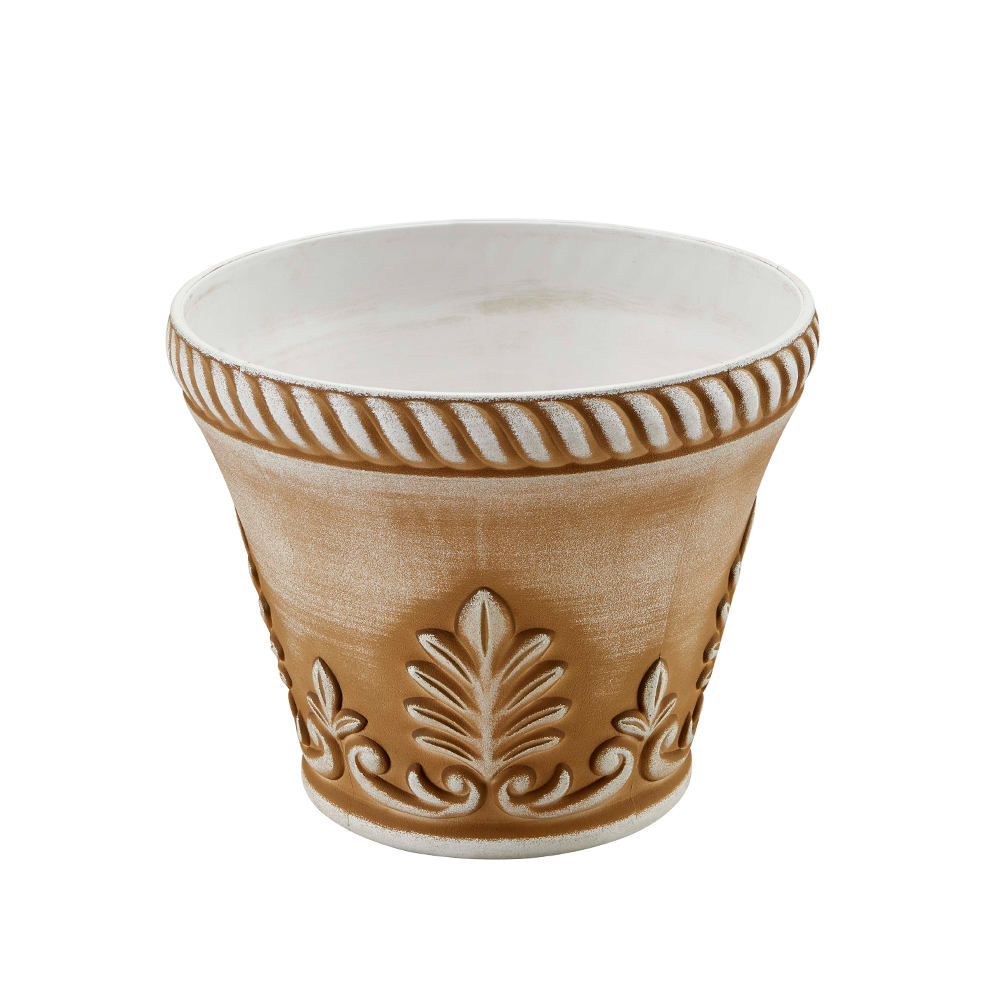
The container acts as the foundational micro-climate for your plant. High-quality synthetic materials offer specific environmental controls. These directly dictate how roots develop and branch over time.
Fluctuating hydration levels are a primary biological stressor. When soil dries out too quickly, roots expend precious energy chasing water. They often grow rapidly toward the edges where condensation lingers. Heavy-duty plastic garden pots effectively lock in internal humidity. Manufactured from UV-stabilized polypropylene, these planters ensure moisture only escapes through the top soil surface or bottom drainage holes. Water distribution remains incredibly even. This dynamic encourages a uniform root system rather than one concentrated desperately at the bottom.
Roots are highly sensitive to thermal shifts. A rapid temperature drop can shock the system and halt nutrient uptake. Excessive heat can scorch delicate microscopic root hairs. Thicker polymer walls act as excellent thermal insulators. Indoors, they buffer roots against cold drafts near wintery windows. Outdoors, they provide a reliable shield against sudden overnight frosts.
Adequate drainage is the mandatory counterweight to moisture retention. Without it, roots suffocate in anaerobic conditions and rot. A practical advantage of synthetic planters is their structural adaptability. If a specific species requires higher aeration, owners can easily modify the container. Using a standard household drill, you can add extra drainage holes effortlessly. This avoids the catastrophic risk of shattering the entire pot, a common hazard with ceramic or clay.
The physical geometry of a container heavily dictates root architecture. When exploring roots reach the edge of a smooth, round pot, they typically begin circling. Over time, this creates a severe root-bound condition. The roots girdle and strangle each other, severely restricting nutrient flow.
To directly combat root girdling, horticultural engineers developed specific structural textures. A high-quality ribbed plastic planter features vertical channels running along the inside walls. When an expanding root hits one of these barriers, the physical interception disrupts the circular growth pattern. The root is mechanically forced downward toward the drainage holes. This deflection encourages a deeper, structurally sound root mass.
During the fragile seedling phase, minimizing transplant shock is the primary objective. Standardized round plastic nursery pots remain the unquestioned industry standard. Their injection-molded flexible walls allow for smooth, frictionless extraction. When a young plant is ready for an upgrade, the walls can be gently squeezed. The entire root ball slides out completely intact. Rigid porous materials often cause delicate root hairs to tear during extraction. This can severely stunt early development.
Looking at recent developments in commercial horticulture, the industry is experiencing a massive shift in container engineering. Modern trend analysis reveals a strong movement away from traditional, heavy materials. Professionals and consumers alike favor advanced, eco-friendly polymers. Manufacturers are increasingly utilizing post-consumer recycled plastics like High-Density Polyethylene and Polypropylene. These materials are heavily UV-stabilized to prevent degradation and microplastic shedding.
Furthermore, the focus has shifted toward smart structural designs. The market is seeing a surge in pots engineered with advanced internal contouring. These structures are designed specifically to air-prune or mechanically guide root architecture. This scientific approach underscores a broader industry consensus. The pot is no longer just a vessel holding dirt. It is an active, integral component of the plant's life support system.
Historically, interior designers felt forced into a compromise. They had to choose between functional horticultural containers and decorative room elements. Cutting-edge manufacturing techniques have entirely bridged this gap. Growers can now maintain optimal root health without sacrificing visual appeal.
For decades, the standard synthetic pot was viewed purely as a utilitarian object. They were often flimsy and prone to rapid sun-fading. Today, the landscape has evolved dramatically. High-density polymers are masterfully utilized to mimic the heavy appearance of glazed ceramic, rustic concrete, or brushed metal.
Opting for a premium decorative painted plastic flower pot offers incredible dual benefits. Aesthetically, it elevates the visual presentation of the foliage. Functionally, the exterior automotive-grade paint provides a crucial additional layer of UV resistance. This shielding prevents the underlying polymer from becoming brittle after prolonged exposure to sunny windowsills. It remains lightweight, drastically reducing structural strain on shelves. It is effortless to clean and continues to provide the non-porous moisture retention that tropical root systems desperately crave.
When evaluating container materials, the decision ultimately comes down to environmental control. Roots require a delicate balance of oxygen, moisture, and temperature stability. Understanding how modern polymers compare to other popular materials is crucial.
Feature | Synthetic Polymers | Fabric Grow Bags | Terracotta / Ceramic |
|---|---|---|---|
Moisture Retention | Excellent - Even distribution | Poor - Rapid evaporation | Moderate to Poor |
Temperature Insulation | High - Buffers extreme shifts | Low | Poor - Absorbs heat/cold rapidly |
Weight & Handling | Lightweight & durable | Lightweight but flimsy | Extremely heavy, prone to shattering |
Root Guidance | Excellent - With ribbed designs | Good - Air pruning | Poor - Causes root circling |
Specifically, fabric grow bags facilitate air-pruning but lose moisture rapidly from all sides. In warm climates, a plant in a fabric bag may require watering twice a day. They also lack structural rigidity and seep dirty water onto indoor floors.
Terracotta wicks moisture away from roots aggressively. This leads to chronic underwatering and crispy foliage edges. Glazed ceramic retains moisture but presents two major drawbacks: extreme weight and high thermal conductivity. High-quality synthetic options provide the stable root environment of glazed ceramic without the back-breaking weight.
Selecting the correct container is a critical decision that dictates soil hydrology. When navigating the market, buyers must meticulously evaluate sizing and structural design.
One of the most fatal horticultural errors is over-potting. Placing a delicate plant into a massive container means the plant cannot absorb moisture quickly enough. The excess soil remains stagnant. This creates an anaerobic environment that inevitably breeds root rot.
As an objective engineering rule, only upgrade to a pot that is 1 to 2 inches wider in diameter than the current root ball. This provides adequate space for new growth while ensuring efficient water utilization.
Different physical environments demand highly specific container specs:
Outdoor Patios: Require heavy-duty, UV-stabilized PP containers that resist fading and wind tipping.
Indoor Decor: Prioritize aesthetics alongside function. Select painted exteriors that match your interior design palette.
Greenhouse Propagation: Utility and uniformity are key. Utilize flexible, standardized nursery pots for shock-free transplanting.
Repotting is essentially a surgical procedure for your greenery. Executing this transfer correctly ensures the root system adapts without prolonged transplant shock.
Step 1: Root Inspection
Gently extract the plant and examine the root system. Healthy roots are firm and typically light-colored. Dark, slimy roots emitting a foul odor are empirical evidence of rot. Use sterilized pruning shears to cut away decaying tissue immediately.
Step 2: Hydrological Preparation
Ensure your new container has unobstructed drainage holes. Avoid the outdated practice of placing gravel at the bottom. Hydrological science dictates that water does not move easily from fine soil to coarse gravel. This raises the perched water table dangerously close to the roots. Fill the bottom solely with a porous potting mix containing perlite.
Step 3: The Watering-In Phase
Center the plant and fill the gaps with fresh soil. Press down lightly without compacting the dirt aggressively. Roots require macroscopic air pockets to breathe. Pour water evenly over the surface until a steady stream exits the bottom holes. This vital step hydrates the new soil matrix and flushes out hidden air pockets.
Healthy roots require a stable, nurturing environment to support lush foliage. By utilizing high-quality engineered containers, you offer your indoor jungle excellent moisture control and thermal protection. Modern manufacturing successfully combines vital horticultural science with high-end aesthetics. You no longer have to compromise between plant health and home decor. For a comprehensive selection of premium horticultural containers tailored to your specific needs, explore the advanced product lines at China Flower Pots and watch your botanical collection thrive.
No, the material itself does not cause root rot. Root rot is a biological condition caused by anaerobic bacteria and fungi in overly saturated, oxygen-depleted soil. Chronic overwatering and a lack of proper drainage are the true culprits. Because non-porous walls retain moisture exceptionally well, you simply need to water less frequently. Ensuring your pot has adequate drainage holes and using a well-aerated soil mix will completely prevent rot.
Dark-colored materials absorb thermal energy in direct summer sun. However, high-quality polymers also act as excellent insulators. In severely hot climates, opting for a lighter-colored exterior reflects sunlight and keeps roots cool. Alternatively, placing a standard functional pot inside a slightly larger decorative cachepot creates a highly effective insulating layer of air.
The lifespan depends heavily on manufacturing quality and daily UV exposure. High-quality, injection-molded commercial pots are designed for rigorous durability. They can be washed, sterilized with a mild bleach solution, and reused for many consecutive growing seasons. This impressive reusability makes them a smart, cost-effective infrastructure investment.
Yes, typically they do. Because synthetic materials do not allow moisture to evaporate through their side walls like porous clay, all excess water must exit through the bottom. If you notice water pooling or soil staying soggy for over a week, use a drill to add three to four additional holes around the base perimeter to optimize hydrological flow.
Watering frequency should drop by roughly 30 to 50 percent compared to porous pots. Instead of adhering to a strict calendar schedule, rely on tactile testing. Insert your finger two inches into the soil matrix; if it feels dry, it is time to water. If it remains damp, wait a few more days to ensure the root zone receives adequate oxygen.
Yes, they are generally perfectly safe, provided you verify the material specifications. Ensure the container is manufactured from food-grade, BPA-free plastics, such as Polypropylene or High-Density Polyethylene. These specific polymers are chemically stable and will not leach harmful toxins into your potting soil. Always check the manufacturer's product details if you intend to grow herbs for human consumption.


